
Dr. Casey J. Simon
Depth-oriented psychotherapist specializing in personality disorders, trauma, and psychological testing.
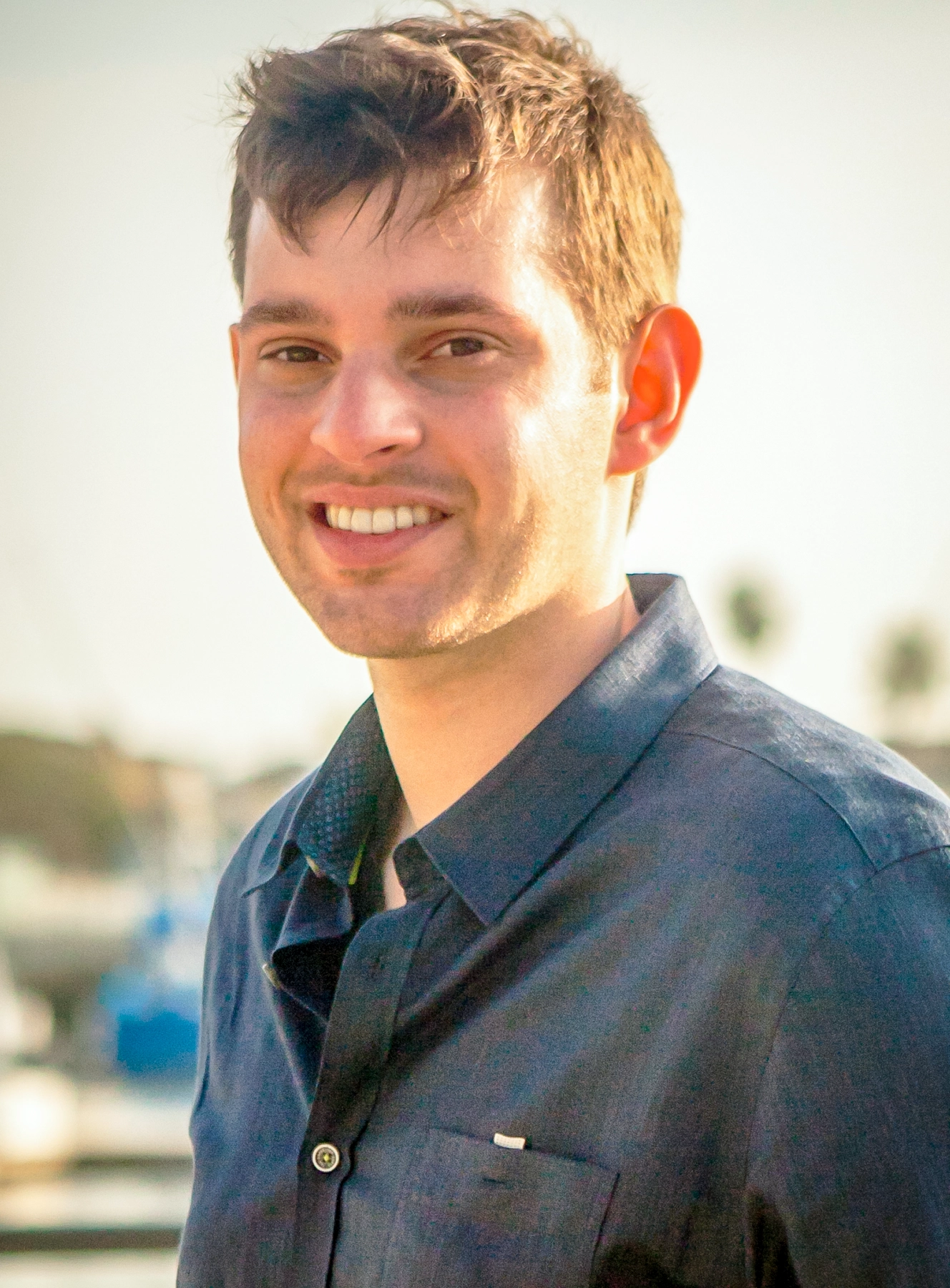
Hi, I'm Dr. Casey Simon. I'm a licensed psychotherapist dedicated to helping people navigate the complexities of their inner world with compassion, curiosity, and clarity. Before becoming a therapist, I worked as a camera operator in film—but I was always more interested in the stories people carry than the ones we put on screen. That curiosity eventually led me from the set to the consulting room.
Background
I began my professional life behind the camera after earning a B.A. in Film and Television Production from Loyola Marymount University, capturing images for directors who—whether they admitted it or not—were staging their own unconscious dramas. Filmmaking taught me that every frame is a confession, every cut a defense mechanism. That realization pulled me from studio backlots into the far more intricate theater of the human mind.
While transitioning into clinical practice, I served as an adjunct instructor at Pepperdine University in the Department of Communication, where I taught courses that explored how meaning, emotion, and identity are shaped through language and image. The experience deepened my appreciation for the symbolic nature of communication—a theme that continues to inform my clinical work today.
At California Lutheran University, I earned an M.S. in Counseling Psychology with an emphasis in Marriage and Family Therapy, where love, rage, and shattered trust played out in the daily reel of family life. Still, I wanted to go deeper—into the edits no one screens in public.
I later completed a PsyD in Clinical Psychology at Pacifica Graduate Institute, specializing in depth psychology and psychodynamic theory. There, I traded storyboards for dreams, exploring how archetypal symbols and unspoken desire can light up a room—or quietly undo it.
- PsyD, Clinical Psychology — Pacifica Graduate Institute
- M.S., Counseling Psychology — California Lutheran University
- B.A., Film & Television Production — Loyola Marymount University
- Licensed Marriage & Family Therapist (CA)
- Licensed Marriage & Family Therapist (OR)
Therapeutic Approach
My work draws from psychoanalytic and depth-oriented perspectives, focusing on the meaning behind symptoms and the unconscious processes that organize one's internal world. In treatment, I aim to create a space where unconscious material can emerge, be understood, and ultimately integrated into a more cohesive sense of self.
"Therapy, like film, is an encounter with the unseen—what lies just beyond the frame. It asks us to slow down, to study the image rather than cut away from it, until what was fragmented begins to take form."
Clinical Experience
- Personality disorders (especially BPD)
- Trauma and complex PTSD
- Mood and anxiety disorders
- OCD and related conditions
- Complex grief
- Existential concerns
- Dissociative disorders
I specialize in personality disorders—particularly borderline personality disorder—where identity can feel precarious and emotions move without warning. Beyond that high-wire act, I work with the person, not the symptom list: the aftershocks of trauma, the tangle of mood and anxiety, the rituals of OCD, the undertow of complex grief, and the quieter ache of meaninglessness that sometimes hides beneath achievement or survival.
My approach is psychodynamic and depth-oriented. Skills and tools have their place, but they're supports—not the destination. The work is to understand what hurts, why it repeats, and what it asks of you, so change becomes more than coping.
A professor once put it plainly: with certain personality organizations, the hunger for reassurance can feel like a bottomless well—five more minutes, one more coffee, and it's still not enough. Our task isn't to keep pouring; it's to help name the hunger, understand its history, and build a self that can hold it.
Training & Experience
Earlier in my career, I practiced across residential facilities, intensive outpatient (IOP) programs, community clinics, and in-home county behavioral health; I also conducted child-custody evaluations and mediation and provided school-based services across nearly every Conejo Valley Unified School District (CVUSD) campus.
Mentored by a UCLA-trained neuropsychologist and supervised by leading psychoanalysts in the field, I developed strong assessment and differential-diagnosis habits—whether the picture is straightforward (ADHD or executive-function difficulty) or more intricate (dissociative, psychotic, or personality-based presentations).
Children
Play-based and developmentally informed approaches
Adolescents
Identity, relationships, and developmental challenges
Adults
Individual therapy for the full complexity of adult life
Couples & Families
Relational patterns and family dynamics
My Practice Today
I now work exclusively in private practice in Westlake Village, California, seeing children, adolescents, adults, couples, and families. In the therapy room, the setting is quieter, but the material is no less alive. Together we notice the recurring scenes, trace the jump cuts, and bring light to the patterns that keep hijacking the story.
Sometimes that looks like joining an angry preschooler in symbolic play when words can't yet carry the load; other times it's helping a bullied third grader find a voice after learning to disappear. It can mean sitting with an impulsive teenager who feels driven to self-harm after every perceived breakup and building the capacity to name, think, and stay with feelings without acting them out. For adults, it often involves observing and understanding the unconscious bargains that shape relationships, choices, and a sense of self.
The aim isn't just relief—it's structural change toward greater integration, freedom, and emotional depth.
This kind of treatment isn't for everyone. At times it can feel demanding—even isolating—as we linger with what is painful. There will be seasons when we explore the depths, and others when we stand on the peaks. Often it feels like moving through a dense forest together—no shortcuts, just careful steps, noticing the roots and finding the path.
I stay beside you in the thicket, and I also help you know when it's time to walk a stretch on your own, trusting the capacity we've built.
We May Be a Good Fit If...
- You want to understand and transform core patterns
- You're ready for deeper work, not just symptom relief
- You value insight and self-understanding
- You want life to feel larger from the inside out
I Can Refer You If...
- You're primarily seeking coping tools and skills
- You want short-term, solution-focused work
- You prefer a more structured, directive approach
I'm happy to refer you to excellent skills-focused therapists when that's a better match.
Let's Talk
Schedule a consultation to discuss your concerns and see if we might be a good fit.